
Report: S. Munir
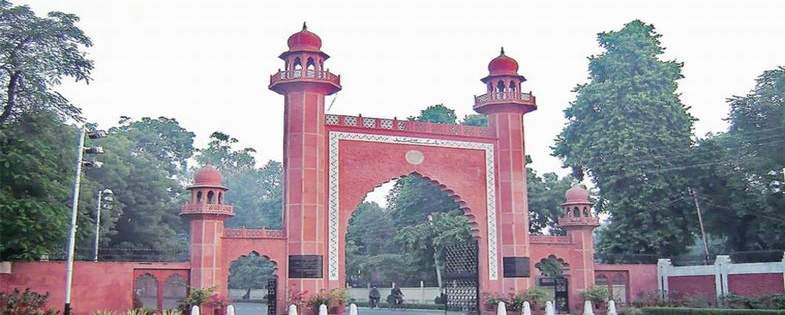
Aligarh: The dispute between Aligarh Muslim University (AMU) and the Aligarh Municipal Corporation over land is becoming increasingly serious. AMU Teachers’ Association and students have been staging protests demanding that the land be handed over to the university. The AMU administration has also maintained that efforts are underway to resolve the issue. However, questions are now being raised over an alleged discrepancy between the administration’s statements and information obtained through the Right to Information (RTI) Act.
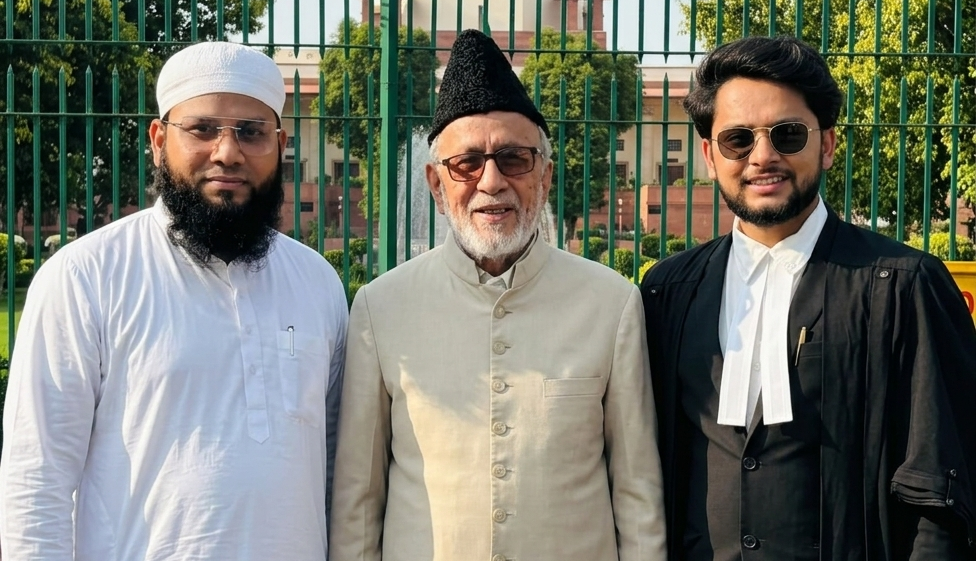
Advocate Syed Kaif Hasan has called upon the university administration to maintain transparency and clearly explain its legal position in the matter. It may be recalled that Hasan had approached the Allahabad High Court against the Municipal Corporation over what he described as an initial attempt to take possession of AMU’s horse-riding land.
Alleged discrepancy between statements and RTI response
Advocate Syed Kaif Hasan said AMU officials have stated that the university has already filed a case before the SDM court. However, according to an RTI response issued by the Property Office in May this year, the office reportedly had no information regarding any case related to the horse-riding land.
According to Hasan, if a case has indeed been filed by the university, details of the proceedings, relevant documents and the present status of the case should be made public.
He said that merely issuing statements would not be sufficient in a matter involving AMU’s land and institutional interests. The administration should place the relevant legal documents and evidence before students, teachers, alumni and the people of Aligarh.
Hasan also said that he had personally approached the Allahabad High Court against the Municipal Corporation’s claim and alleged action concerning the land. He stressed that the matter should not remain confined to statements and that all available documentary evidence should be presented before the appropriate legal forum.
Questions raised over the role of the SDM
Syed Kaif Hasan also raised questions regarding the role of the concerned Sub-Divisional Magistrate (SDM). He said that if the same officer had allegedly reached the site in connection with an attempt to take possession of the land, questions could arise regarding the perception of impartiality in proceedings before that officer.
He suggested that the concerned SDM could consider recusing himself from the matter, or that the District Magistrate could consider transferring the case to an appropriate and impartial forum so that neither side gets an opportunity to question the fairness of the process.
Hasan said the AMU administration should clearly explain its legal strategy and make public evidence of any legal action already taken.
Questions over silence of elected representatives
Mufti Mohammad Akbar Qasmi, member of the Working Committee of Jamiat Ulama-i-Hind for Western Uttar Pradesh, has also questioned the role of elected representatives in the matter.
He said there are 33 Samajwadi Party councillors and two BSP councillors in the Aligarh Municipal Corporation, with a significant number belonging to the Muslim community. He questioned whether these elected representatives had met the Municipal Commissioner or Mayor and formally raised the issue of AMU land.
Qasmi said political differences have their own place, but when the interests of a historic educational institution are involved, elected representatives should fulfil their responsibilities.
He said the public had elected representatives not merely to sit in the municipal house but also to raise issues concerning public interests and rights.
Qasmi called for all facts relating to the AMU land dispute to be placed before the public and urged that all legal and constitutional requirements be followed before any further action is taken.
Appeal to Tariq Mansoor to play an active role
Professor Basir Ahmad Khan, senior leader of the Indian Union Muslim League and former President of the AMU Students’ Union, has appealed to Professor Tariq Mansoor to play an active role in resolving the land dispute.
Speaking to Pratinidhi Inquilab during his visit to Aligarh, Professor Basir Ahmad Khan said that Tariq Mansoor is an alumnus, former teacher and former Vice-Chancellor of AMU. He said Mansoor currently has significant political and administrative access and should therefore come forward to help resolve an issue concerning his alma mater.
He suggested that Professor Tariq Mansoor should meet the Chief Minister of Uttar Pradesh and the Prime Minister and present the facts concerning the AMU land issue before them. He said efforts should be made to find a solution strictly within the legal and constitutional framework.
Professor Basir said that if Tariq Mansoor takes up the matter, it would be a positive step not only for AMU but also in the context of his long association with the university.
AMU administration should also take initiative
Professor Basir Ahmad Khan said the AMU administration should not simply wait for developments but should take the initiative itself.
He suggested that the university administration formally approach Professor Tariq Mansoor, place all relevant documents before him and seek his assistance in finding a solution to the dispute.
He said the objective should not be to launch a political campaign against any party, but to protect AMU’s interests on the basis of facts, law and documentary evidence.
Focus should remain on protecting AMU’s interests
Professor Basir said AMU is a historic educational institution and all stakeholders—including the university administration, elected representatives, alumni and people with political or administrative influence—should play their respective roles in protecting its interests.
The land dispute continues to remain a contentious issue. While students and university-associated organisations are demanding that the land be secured for AMU, the university administration maintains that efforts are being made to address the matter.
The key question now is what concrete legal and administrative steps will be taken by the university and other stakeholders to resolve the dispute.