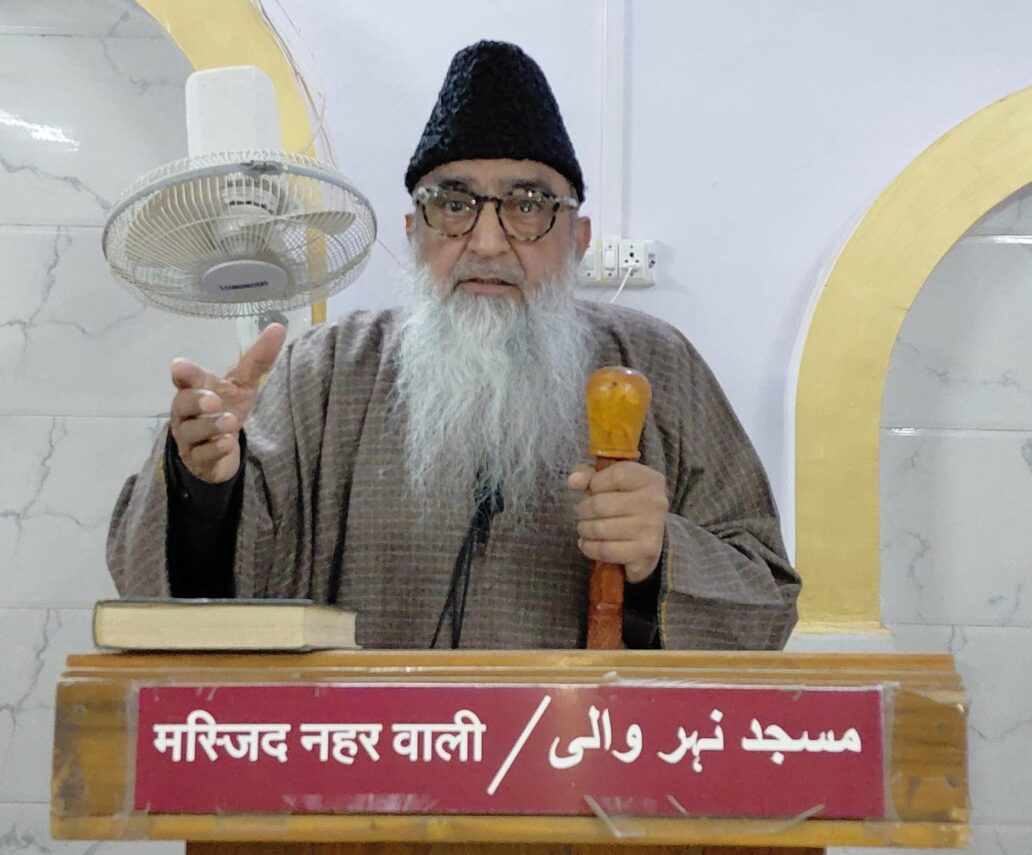
Agra:Addressing the Friday congregation at Masjid Nahar Wali in Sikandra, Khateeb Mohammad Iqbal described the forthcoming holy month of Ramadan as a comprehensive training period, calling it a “720-hour course” capable of bringing positive transformation to an individual, family, society, and humanity as a whole.
He said that with the sighting of the Ramadan moon, not only individuals but the entire social environment begins to change. Mosques witness special cleanliness drives, well-organized prayer rows, and an atmosphere devoted to worship. Muslim localities take on a distinct vibrancy compared to ordinary days. At home, women become busy with Ramadan preparations, as if welcoming a special guest—because, he emphasized, Ramadan is indeed the greatest guest in a believer’s life.
Khateeb Mohammad Iqbal explained that Ramadan provides practical training in time discipline, patience, self-control, and sacrifice. Observing sehri at fixed hours, enduring hunger and thirst throughout the day, and breaking the fast collectively at iftar instill habits of self-restraint and social responsibility.
He further said that the spirit of helping others, regular recitation of the Holy Quran, punctuality in prayers, and the eagerness to move from one prayer to the next are all integral parts of this training system. The purpose, he noted, is that these values should continue even after Ramadan ends.
In his address, he stressed that the real question is not merely that Ramadan is approaching, but who will truly benefit from this training and carry its lessons forward into life after Ramadan, and who will turn away from it.
Concluding the sermon, Khateeb Mohammad Iqbal offered prayers that Almighty Allah grant everyone the ability to observe this blessed month with true understanding, implement its teachings in daily life, and become deserving of His mercy.